Full rewire
Replacing all fixed wiring in a property. Typical in older homes where existing wiring does not meet current regulations. Usually involves 5 to 14 days of work depending on property size.

A RECI certificate is an electrical completion certificate issued by a registered contractor after notifiable electrical works. You may be asked for it when selling your home, drawing down a mortgage or making an insurance claim. See Safe Electric guidance.

A completion certificate is a signed document issued by a RECI-registered electrical contractor confirming that notifiable electrical work has been carried out in compliance with the Irish Wiring Regulations (ET 101:2018). It is a permanent record of the work and belongs to the homeowner, not the contractor.
The certificate is registered with RECI and can be verified through the Safe Electric register at safeelectric.ie. Mortgage lenders, solicitors handling property sales, and insurance companies will ask to see it. Without one, uncertified electrical work can block a sale or invalidate a claim.
From agreeing the job to receiving the registered certificate, here is what to expect at each stage.
Only RECI-registered contractors can issue a valid completion certificate. Confirm registration on safeelectric.ie before signing any contract.
All notifiable works must comply with the current edition of the Irish Wiring Regulations. The registered contractor is responsible for ensuring compliance throughout.
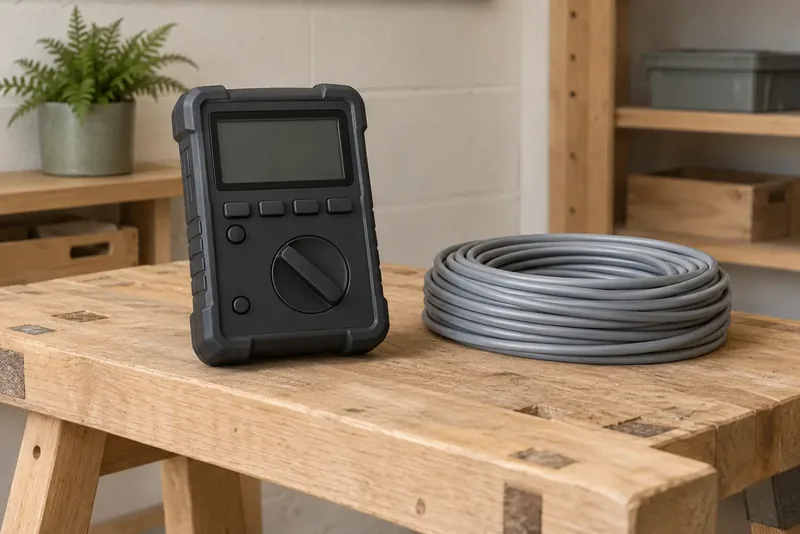
Before the cert is issued, the installation is tested: insulation resistance tests, earth loop impedance tests, and RCD tests are all carried out and recorded. This is the technical basis for the certificate.
The contractor issues the signed completion certificate. You should receive it within a few days of the work finishing. File it with your property documents permanently.
Ask your electrician how the cert is registered, and check safeelectric.ie for how to confirm it. A buyer’s solicitor or a lender may ask for a copy when the property is sold or mortgaged.
Find a registered electrician in your county. Listed installers are shown as registered with Safe Electric. Confirm their registration on safeelectric.ie.
Under the Safe Electric scheme, the following categories are generally treated as notifiable works, which need a completion certificate. Check the current official list on safeelectric.ie.
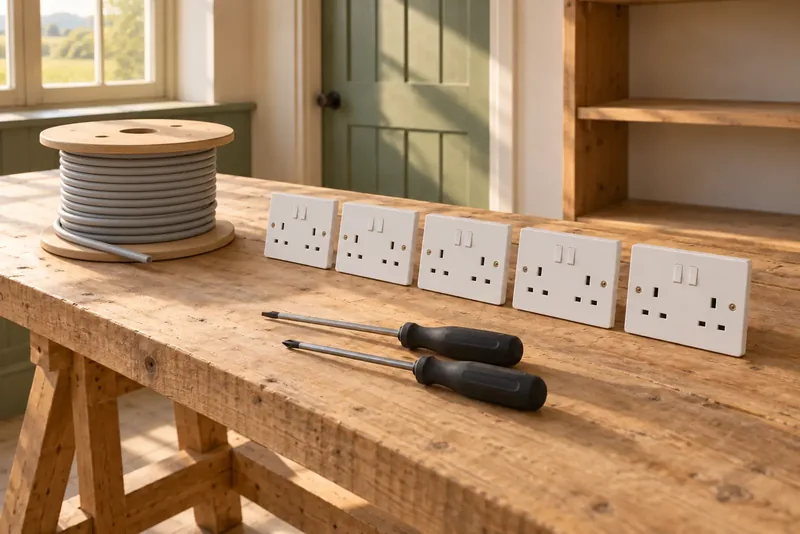
Replacing all fixed wiring in a property. Typical in older homes where existing wiring does not meet current regulations. Usually involves 5 to 14 days of work depending on property size.
All electrical installation in a new residential or commercial property. The cert is required before the building can be occupied and is part of the building compliance documentation.
Any new electrical circuits added as part of an extension, attic conversion, or garage conversion. The new circuits must be tested and certified even if the main installation already has a cert.
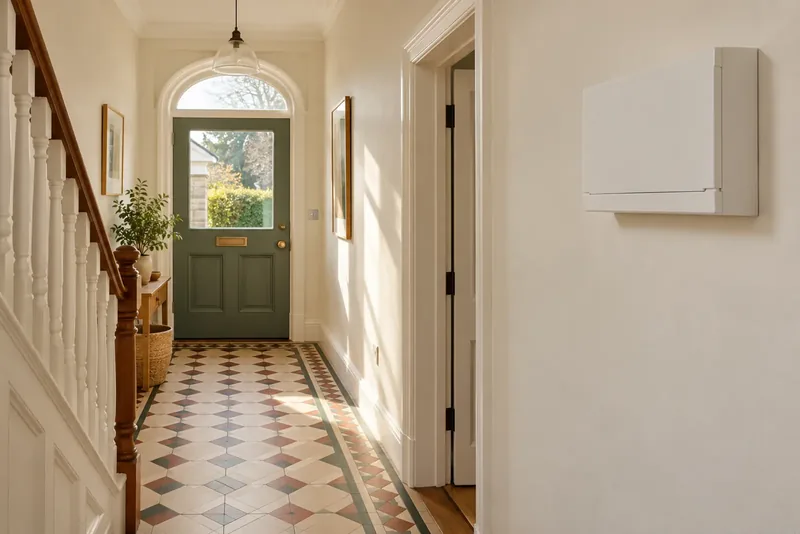
Replacing a fuse board or consumer unit. This is notifiable because it involves working on the main incoming supply and affects the protection of all circuits in the property.
Adding a dedicated circuit for a shower, EV charger, electric cooker, or similar high-load appliance. Each new circuit added to the consumer unit is a notifiable work.
Material changes to the fixed wiring layout, such as moving a distribution board, re-routing main cables, or upgrading earthing arrangements. Minor repairs and like-for-like replacements are generally not notifiable.
Ask whether the completion certificate is included in your quote. The price of the underlying work depends on several factors.

A consumer unit swap takes 4 to 6 hours. A full rewire takes 5 to 14 days depending on property size and layout. The type of notifiable work is the biggest single driver of cost.

Larger properties require more circuits, more cable, more testing points, and more documentation. A 5-bedroom detached house will cost significantly more to rewire than a 2-bedroom apartment.

Older wiring often requires upgrading before new notifiable work can be certified. Pre-1980s aluminium wiring or rubber-insulated cable is frequently encountered in older Irish properties and must be replaced.

Each additional circuit adds material cost (cable, consumer unit way, breaker) and testing time. A project adding 6 circuits costs noticeably more than one adding 2.

Dublin day rates are higher than the national average. Rural areas often have more competitive rates but may incur travel costs for the contractor, particularly in less densely populated counties.

If defects are found in the existing installation during notifiable work, they must be corrected before the cert can be issued. This can add unplanned cost to a project, particularly in older properties.
Yes, if notifiable electrical works have been carried out on the property. Your solicitor will request completion certificates for any works done since the property was last sold or built. Missing certs can delay or block a sale.
If you do not have a cert for older works, a RECI-registered contractor can inspect and re-certify the installation, though this involves additional cost and may require remedial works if the installation does not meet current standards.
A completion certificate should be issued for notifiable works. If you did not receive one, contact the contractor in writing and request it. Keep a record of the request, and see the Safe Electric guidance if you need further help.
If they fail to respond or were not registered in the first place, contact Safe Electric at safeelectric.ie. An unregistered contractor cannot issue a valid cert and you will need a registered contractor to inspect and certify the work separately.
Notifiable works need one, such as a full rewire, new build electrical fit-out, extension or conversion, consumer unit replacement, new circuit installation, or a significant alteration to the existing installation. Check the current official list on safeelectric.ie.
Ask your electrician whether the completion certificate is included in the quote, and get that in writing. The price of the underlying work depends on factors such as the type of work, property size, age of installation and number of new circuits.
You can confirm an electrician’s registration on the Safe Electric public register at safeelectric.ie, using a name or registration number. A completion certificate can also be verified there.
Before the cert is issued, the installation is tested. Insulation resistance tests, earth loop impedance tests and RCD tests are carried out and recorded, which is the technical basis for the certificate.
Each listing shows the contractor’s RECI number so you can confirm it on the Safe Electric register at safeelectric.ie.