
What Is Electrical Fault Finding?
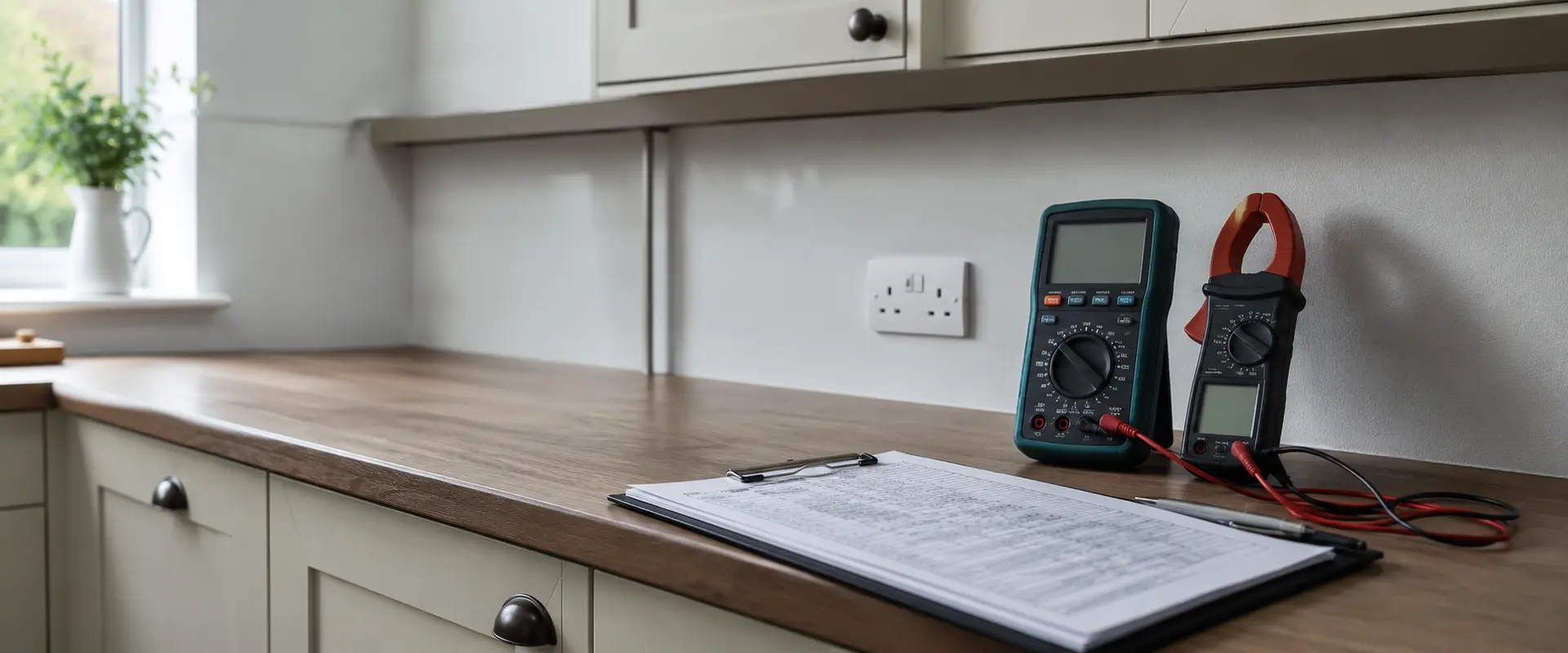
Fault finding is the systematic process of diagnosing the cause of a fault in a domestic or commercial electrical installation. This covers a wide range of symptoms: an RCD or MCB that keeps tripping, a circuit of sockets that has gone dead, lights that flicker intermittently, or a complete loss of power to part of the property. A RECI-registered electrician will use a combination of visual inspection, multifunction test instruments, and in some cases a thermal imaging camera to locate the source of the problem.
The process differs from a periodic inspection (ECIR), which assesses the overall condition of the installation. Fault finding is targeted: the electrician is looking for the specific defect causing the symptom you are experiencing right now. Depending on the nature of the fault, this can be resolved in a single visit or may require follow-up work once the root cause is identified.
Where the fault diagnosis reveals widespread cable deterioration or an outdated consumer unit, the electrician may recommend a fuseboard upgrade or, in the case of older properties with failing rubber-insulated wiring throughout, a full house rewire. A periodic inspection can confirm the full extent of any deterioration before remedial work is scoped.
Common Electrical Faults in Irish Homes
Irish domestic wiring varies enormously in age and condition. Properties built before the 1990s may still have original wiring that is degrading or non-compliant with the current Irish Wiring Rules (IS 10101). Knowing the most common fault types helps you describe the problem accurately when calling an electrician and gives you a sense of how involved the repair is likely to be.
The single most common call-out is an RCD that keeps tripping. In most cases a faulty appliance is responsible: the quickest first step is to unplug everything on the affected circuit and reconnect appliances one at a time until the RCD trips again. If the RCD trips even with no appliances connected, the fault is in the wiring itself and you need a registered electrician immediately. Never bypass or tape an RCD in any position — it is there to protect lives.
Not Sure What Is Causing Your Fault?
Find a RECI-registered electrician in your county. Every contractor listed is verified on the Safe Electric register and carries full public liability insurance.
Find an electrician in your countySix Faults Electricians Diagnose Most Often
Each of these fault types has a different diagnosis route and cost implication. Knowing which category yours falls into helps you set realistic expectations before the electrician arrives.
Faulty appliance tripping the RCD
The most common cause of an RCD trip is a defective appliance creating an earth leakage current. The electrician will systematically disconnect loads on the circuit to isolate the appliance. Resolution is usually quick once identified — often under an hour.
Insulation breakdown on ageing wiring
In older Irish homes, the PVC or rubber insulation on cables deteriorates over decades. This causes leakage current to earth, tripping the RCD. Cable replacement is required — this is costlier than an appliance swap and may trigger a recommendation for a full ECIR.
Loose or corroded connections
Connections at sockets, switches, or junction boxes can work loose over time, especially in older Irish properties with two-piece skirting trunking wiring. A loose live connection can cause intermittent loss of power, arcing, and localised scorching. The electrician will check all connection points on the affected circuit.
Nuisance tripping from modern appliances
Switch-mode power supplies (found in phone chargers, LED drivers, washing machines, and computers) create small but measurable leakage currents. When multiple such appliances share a circuit, their combined leakage can trip a sensitive RCD — even though no single appliance is faulty. The fix is usually load redistribution or upgrading to an RCBO on individual circuits.
Dampness at external or buried fittings
External sockets, garden lighting, cable buried underground, and fittings in damp areas (garages, outhouses) are exposed to moisture ingress over time. Water contamination between live conductors and earth will trip an RCD and can be difficult to locate without specialist equipment. Costs increase if cables must be excavated.
Intermittent faults
A fault that appears and disappears is the most time-consuming and expensive to diagnose. The fault condition must be present for test instruments to detect it — if it is not occurring at the time of the visit, the electrician may not be able to confirm the cause. Intermittent faults often require multiple visits, thermal imaging, and extended testing under load.
What Happens During a Fault-Finding Visit?
A RECI-registered electrician will follow a structured approach rather than guessing. The sequence below covers a typical domestic fault-finding call-out. More complex faults may require additional steps or a return visit with specialist equipment.
Initial assessment and visual inspection
The electrician will ask you to describe the fault in detail: when it started, whether it is on one circuit or the whole property, and whether any recent work was carried out. They will then inspect the fuse board (consumer unit) in your hall cupboard or utility room, note the RCD and MCB configuration, and look for any visible signs of damage — scorching, burning smell, moisture, or obvious physical damage to fittings.
Circuit isolation and testing
Using a multifunction test instrument, the electrician will measure insulation resistance on the affected circuit, earth fault loop impedance, and continuity of protective conductors. This confirms whether the fault is in the wiring or in a connected appliance or fitting, and how severe the insulation degradation is.
Load testing
If the fault is intermittent or only appears under load (i.e., when appliances are running), the electrician will apply load to replicate the fault condition. This is particularly important for nuisance RCD tripping caused by cumulative leakage from multiple modern appliances.
Thermal imaging (if required)
For faults that cannot be located by electrical testing alone — particularly loose connections causing localised heating or dampness ingress in wall cavities — a thermal imaging camera can reveal hot spots invisible to the naked eye. Not all electricians carry thermal cameras; confirm when booking if you suspect a connection fault.
Fault confirmation and repair or quotation
Once located, straightforward faults (a faulty socket, a corroded connection, an identified defective appliance) are repaired in the same visit. Where the repair involves opening walls, lifting floors, or replacing a significant length of cable, the electrician will provide a written quotation for the remedial work.
Fault-Finding Costs in Ireland 2026
Most electricians charge a call-out fee to cover travel and the first hour on site, followed by an hourly rate for additional time. Fault finding is labour-intensive rather than materials-intensive, so the call-out and hourly structure is almost universal for this type of work.
If the fault requires opening walls or lifting floors — for example, to access a buried cable junction or a damp section of conduit — expect a significant increase in both time and total cost. In these cases the electrician should provide a written quotation before proceeding with any invasive work, and you should agree in writing what is covered before they begin.
If the fault cannot be diagnosed in a single visit — for example because it is intermittent and not present during the call-out — you will typically be charged for the time spent even if no repair is carried out. Ask the electrician to confirm their charge structure for an inconclusive visit before they begin.
Common Questions About Electrical Fault Finding
My RCD keeps tripping but resets immediately. Do I still need an electrician?
Yes. An RCD that trips and resets easily may feel like a minor nuisance, but repeated tripping indicates an ongoing earth leakage fault somewhere in the circuit. Over time, arcing at a loose connection or deteriorating cable insulation can cause a fire. If unplugging all appliances on the circuit stops the tripping, you have a faulty appliance. If the RCD trips with nothing connected, call a RECI-registered electrician before using that circuit again.
How do I know if the fault is in my wiring or in an appliance?
The simplest test is to switch off the RCD, unplug every appliance on the affected circuit, and then reset the RCD. If it holds, reconnect appliances one at a time and wait — the RCD will trip when you plug in the defective appliance. If the RCD trips immediately with nothing connected, the fault is in the wiring itself and requires a registered electrician with test instruments to locate it.
What is the difference between a fault-finding call-out and a periodic inspection?
A fault-finding call-out is targeted at diagnosing and repairing a specific symptom you are currently experiencing. A periodic inspection (formally an Electrical Installation Condition Report, or ECIR) is a comprehensive assessment of the entire installation against IS 10101, the Irish Wiring Rules. After a fault-finding visit, an electrician may recommend an ECIR if they observe signs of wider deterioration in the installation — for example, consistently ageing cable insulation or a fuse board that does not meet current standards.
Can an unregistered electrician carry out fault finding in Ireland?
An unregistered person can carry out informal diagnostics, but they cannot issue any certification for repair work, and any subsequent work on the installation must be done by a RECI-registered contractor under the Electricity Regulation Act and CRU licensing requirements. Only a registered contractor can legally certify that a repair meets IS 10101. For your own safety and insurance coverage, use a contractor registered with Safe Electric.
Will the electrician open my walls during the visit?
Not during the initial diagnostic visit as a rule. Electricians use non-invasive test instruments as a first step. If the tests confirm the fault is inside a wall cavity — for example, a cable damaged during later building work or water ingress at a buried junction — the electrician will discuss what opening work is needed and give you a quotation before proceeding. You should agree the scope and cost in writing before any walls or floors are opened.
Ready to Get the Fault Diagnosed?
Find a RECI-registered electrician in your area. All contractors listed are verified on the Safe Electric register and can issue certification for any remedial work required.
Find an electrician near you