
Adding Extra Sockets: The Basics
Adding extra sockets is one of the most common small electrical jobs in Irish homes. Whether you need one more socket in the living room or a run of outlets in a converted garage, the approach depends on where you are connecting, how many sockets you need, and what load the new circuit will carry. The three main methods are a fused spur from an existing socket, extending the ring main, or running a brand new circuit from the fuse board.
Costs are relatively modest for a single socket in a straightforward location, but they rise quickly once cable needs to be chased into blockwork walls or routed across a floor. Understanding which method your electrician will use, and why, helps you compare quotes accurately and avoid surprises when the plastering bill arrives.
Three Ways to Add Sockets in an Irish Home
Your electrician will recommend one of three approaches based on your existing ring main capacity, the number of sockets required, and the load they will carry. Each method has a different cost, different protection level, and different implications for notifiable works.
Fused spur from an existing socket
A fused spur taps off an existing socket outlet using a fused connection unit (FCU), usually rated at 13A. It is the lowest-cost option and the quickest to install because it requires no new cabling back to the fuse board. A spur can feed one or two additional sockets and is well suited to adding a socket in an adjacent room or on the other side of the same wall.
The limitation is that the spur shares the 13A fuse of the FCU, which means it cannot support high-draw appliances. For televisions, lamps, phone chargers, and similar household loads it is perfectly adequate. For a socket that will regularly run a washing machine, tumble dryer, or microwave, the ring extension or dedicated circuit is a better choice.
Extending the ring main
Adding a new socket into the ring circuit proper maintains the full 32A protection of the ring and is the preferred method when you need sockets that will handle higher loads or when you are adding several sockets in a new area. The electrician breaks into the ring at the nearest convenient point and loops the new socket into the circuit. The ring must still form a complete loop back to the fuse board.
This method involves chasing cable into the wall, which means plasterwork repairs are required afterward. The plastering is typically a separate cost unless your electrician includes it in the quote. Always confirm this before work begins to avoid an unexpected bill.
New dedicated circuit from the fuse board
Some equipment must have its own dedicated circuit run directly from the consumer unit. This is required for EV chargers, range cookers, electric showers, workshop equipment, and any other high-draw single appliance. A dedicated circuit is typically a radial circuit (single cable from board to outlet) protected by its own MCB in the fuse board.
Running a new circuit from the fuse board is notifiable work in all circumstances. Your RECI-registered electrician will notify the work to Safe Electric and issue a completion certificate on finishing the job. Adding a circuit also requires that there is a spare way in the consumer unit; if the board is full, a new or larger unit may be needed.
Need Extra Sockets Installed?
Find a RECI-registered electrician in your county. All contractors listed are verified on the Safe Electric register and can issue a completion certificate for notifiable work.
Find an electrician in your countyWhat Affects the Cost of Adding Sockets?
Two quotes for the same job can differ by hundreds of euro. These are the factors that move the price most in an Irish home.
Location in the house
A socket in the same room as an existing outlet costs far less than one on the far side of the house or in a converted garage. Every additional metre of cable run adds cost, and long runs through floors or under screeds add significantly to the labour.
Wall construction
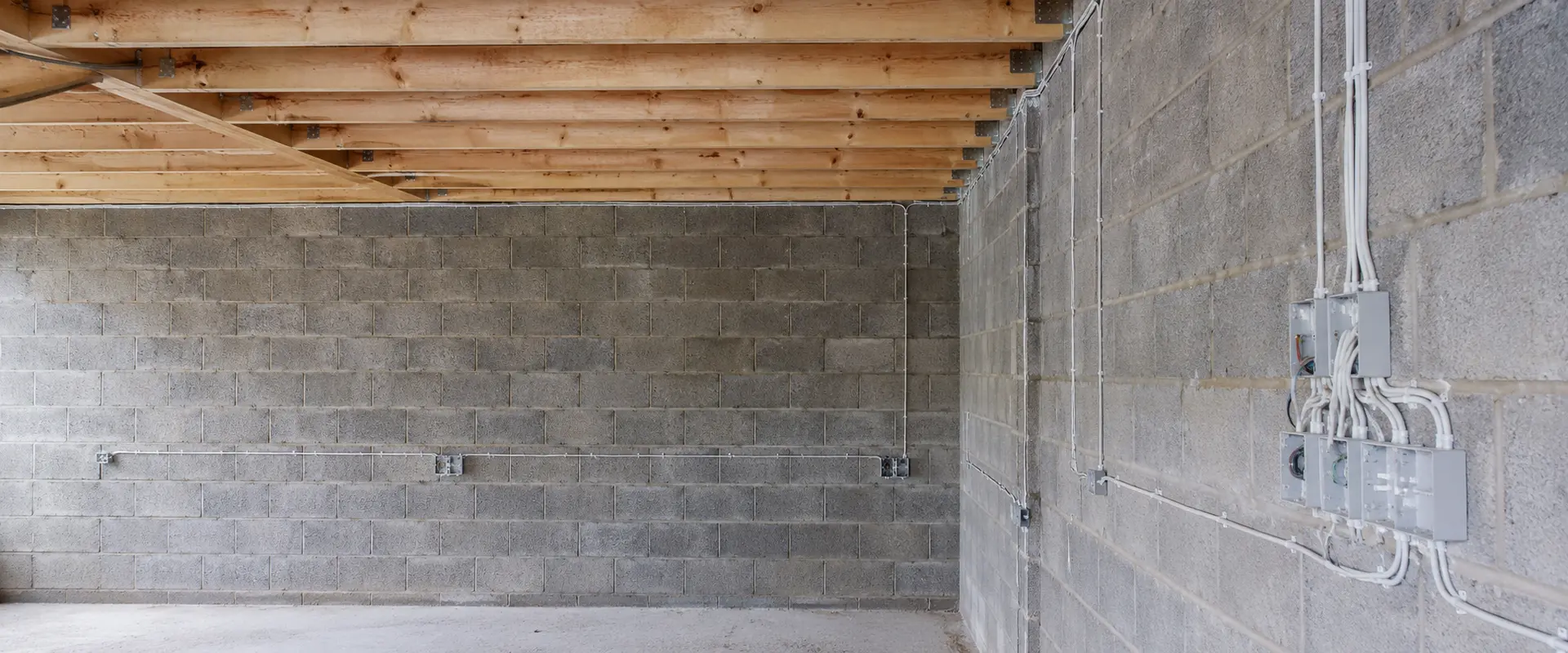
Stud partition walls are quick and clean to work with. Solid blockwork walls require a chase cutter or SDS drill to create channels for the conduit and cable, adding 30 to 60 minutes per run and creating plaster repair work afterward. Dense concrete is the most expensive to chase.
Number of sockets in one visit
Electricians charge a call-out element on top of per-socket rates. Getting three or four sockets installed in a single visit is considerably more economical per socket than booking one socket at a time. If you anticipate needing more sockets, plan them all into one job.
Kitchen, bathroom, or outdoors
Any new or extended circuit in a kitchen, bathroom, or outdoor location is notifiable under the Irish Building Regulations regardless of size. This adds a small administration cost but does not change the labour rate significantly. The key point is that only a RECI-registered electrician can issue the required completion certificate.
Plastering and making good
Most electricians do not include plastering in their quote as standard. Chase repairs in blockwork walls typically cost €60–€150 per repair when carried out by a plasterer. Confirm at quoting stage whether making good is included or whether you need to engage a plasterer separately.
Dublin vs the rest of Ireland
Dublin electrician rates run 20 to 30 percent above the national average, driven by higher labour costs and demand. Rates in Mayo, Roscommon, and Donegal are typically the most competitive. Always get two or three quotes for jobs over €300.
When Is Adding Sockets Notifiable Work?
Most socket additions in living rooms, bedrooms, and hallways are not notifiable under the Electricity (Supply) Act 1999 when carried out in an existing domestic property. However, the Irish Building Regulations create additional notifiable-work triggers that catch a significant number of common jobs.
NOT notifiable
Adding sockets in living areas
Extending an existing ring main or adding a spur in a living room, bedroom, hallway, or dining room in an existing dwelling is not notifiable, provided no new circuit is created. Work must still meet IS 10101 and must be carried out by a RECI-registered electrician.
NOTIFIABLE
Kitchen and bathroom circuits
Any new circuit or extension to a circuit in a kitchen, bathroom, or utility room is notifiable under Irish Building Regulations regardless of the nature of the dwelling. This includes adding a socket in a kitchen counter run or near a bathroom shaver unit.
NOTIFIABLE
All outdoor work
Any new socket or extended circuit in an outdoor location, shed, garage, or outbuilding is notifiable. Outdoor circuits require RCD protection and weatherproof fittings rated to at least IP44, and a completion certificate is mandatory for this category of work.
NOTIFIABLE
New builds and major renovations
If the socket work forms part of a new build or major renovation where a Commencement Notice has been submitted, all electrical work on the project is notifiable and must be completed by a RECI-registered electrical contractor under the Building Control (Amendment) Regulations.
Even when work is not strictly notifiable, always use a RECI-registered electrician for any new wiring. Unregistered electrical work cannot be certified, and uncertified work will be flagged during a property survey when you come to sell. Buyers' solicitors routinely require evidence of compliance, and unverifiable work can delay or collapse a sale.
Why RECI Registration Matters for Socket Work
RECI is the Register of Electrical Contractors of Ireland. It is the statutory scheme under which electrical contractors must be registered before they can legally carry out domestic electrical work and issue completion certificates. The Safe Electric scheme, operated by RECI, allows homeowners to verify a contractor's registration at safeelectric.ie before any work begins.
For socket work specifically, a RECI-registered electrician will test the existing ring main before adding to it, confirm the ring has capacity for additional outlets, and confirm that the new installation complies with IS 10101, the current Irish Wiring Rules. For notifiable work, they will complete and submit the required notification and issue you with a RECI completion certificate on the day the job is finished.
Verify before hiring
Check your electrician at safeelectric.ie before work starts. RECI registration is public and searchable by contractor name or company. Do not rely on business cards alone.
Get a written quote
Always get a written quote that specifies the method (spur, ring extension, or new circuit), the number of sockets, and whether plastering is included. A verbal quote leaves room for misunderstanding on the final bill.
Certificate on completion
For notifiable work, your electrician must issue a RECI completion certificate. Keep this with your property documents. Your insurer and any future buyer will need to see it if the work is ever queried.
Adding Sockets: Common Questions
Find a RECI-Registered Electrician
Only a registered electrical contractor can legally carry out new wiring work in an Irish home and issue a completion certificate. Find a qualified electrician in your county today.
Find an electrician in your county