Electric shower
Heats the water itself as it flows, so it works without a hot water cylinder and suits bathrooms and en suites far from the boiler. It needs a dedicated circuit, which is the work an electrician does.

An electric shower needs its own circuit and a registered electrician to fit it, not a plumber. This is what the job involves, the steps from survey to certificate, and how to find an electrician in your county.
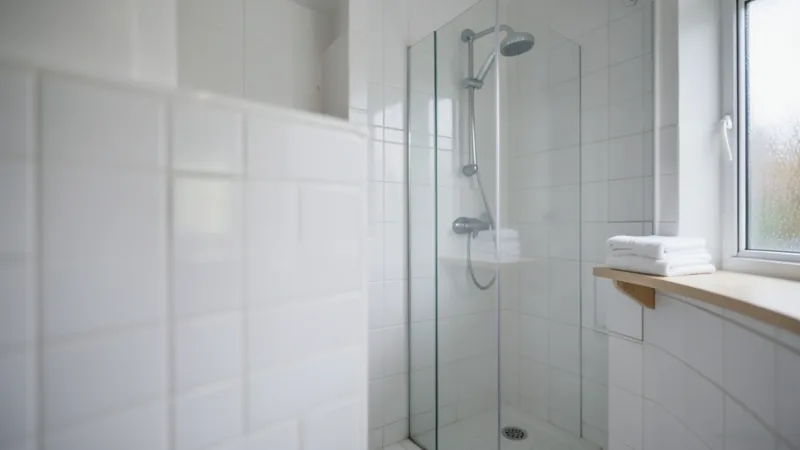
Electric shower installation in Ireland is restricted electrical work, so it must be carried out by a registered electrician. The shower heats its own water as it flows, which means it needs a dedicated circuit back to the consumer unit instead of borrowing power from a socket or a lighting circuit.
The electrician fits the unit, wires the circuit and tests it before handing over a completion certificate. The water connection is plumbing work, so some jobs involve a plumber as well. A bathroom swap, a new en suite and a replacement for an ageing shower all follow the same pattern.
The unit on the wall is the visible part of the job. Behind it sits the dedicated circuit, the protection in the consumer unit and the connection to the water supply.
Your electrician fits and wires the unit, tests the circuit and issues the completion certificate. Ask which parts of the job they cover and which need a plumber.
Find an electrician in your county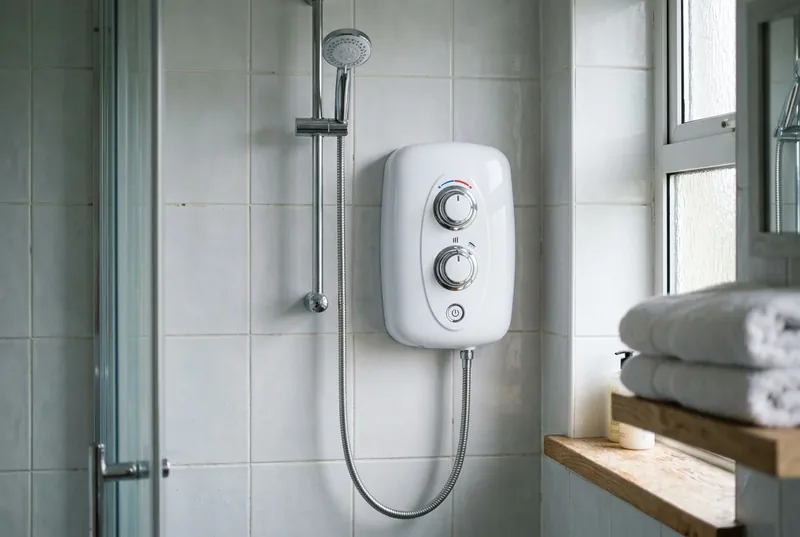
Most jobs follow the same four stages, whether the bathroom is brand new or a straight swap for an old unit.
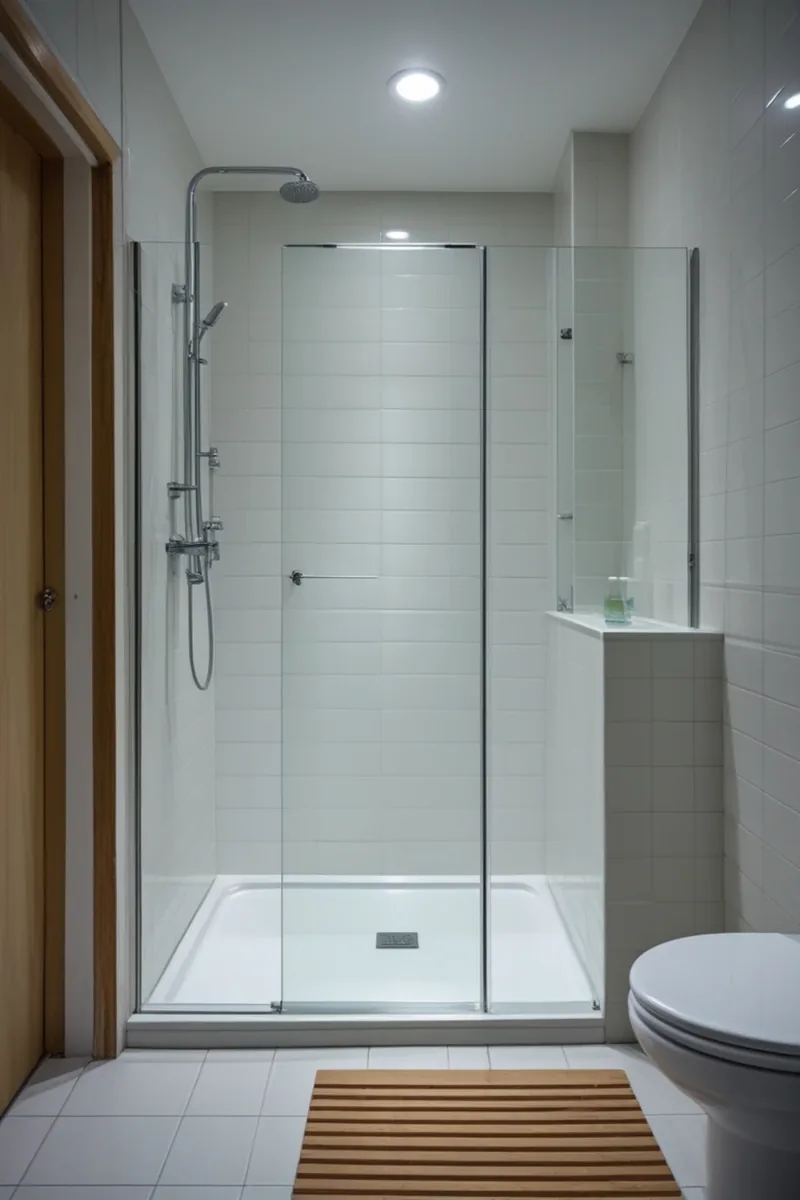
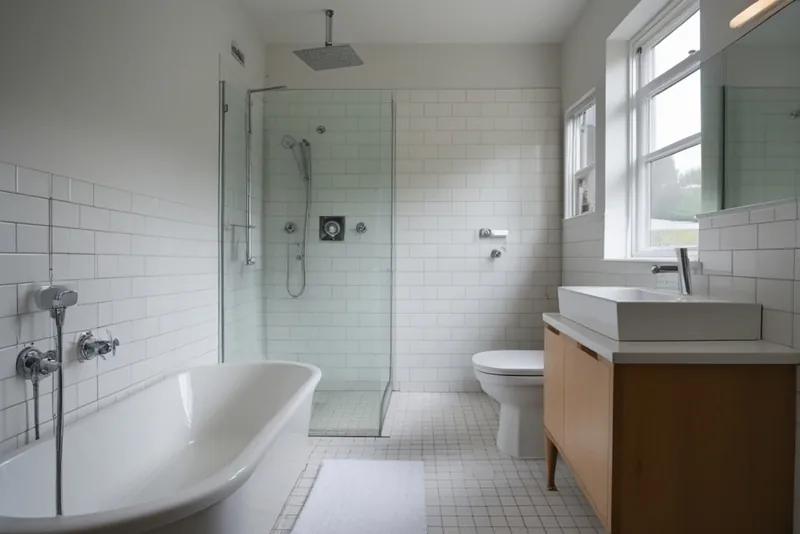
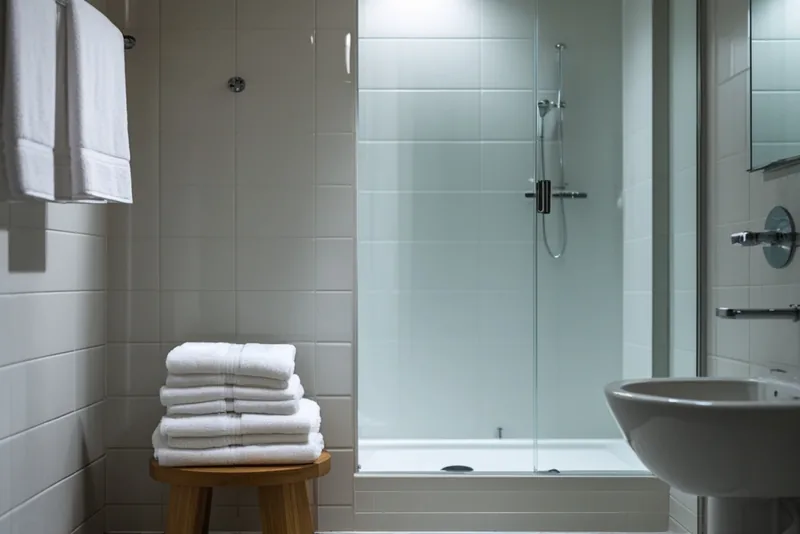
The electrician looks at the bathroom, the route back to the consumer unit and the existing protection. They confirm the circuit is suitable, or specify what has to change before any work starts.
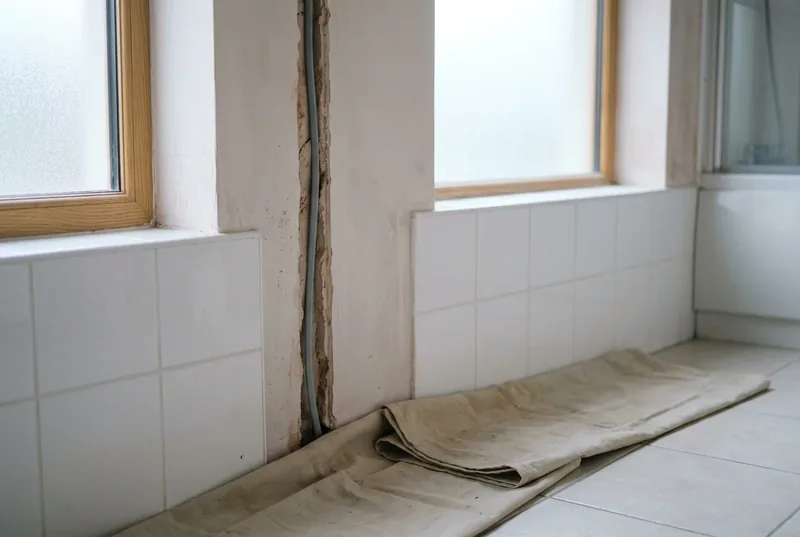
The supply is made safe, then the cable is run from the consumer unit to the bathroom. Where it passes through walls or ceilings, the electrician plans the route to limit damage and the making good that follows.
The unit is fixed to the wall and wired to the new circuit, with the water connection made by a plumber. The controls are positioned as the manufacturer's instructions require.
The circuit and its protection are tested, and the electrician issues a completion certificate for the work. Keep it with your property documents.
Find an electrician in your county. Check any electrician on the Safe Electric register before you hire, and ask whether they will issue a completion certificate for the work.
The right type depends on your water supply and your bathroom. Here is how the three compare in practice.
Heats the water itself as it flows, so it works without a hot water cylinder and suits bathrooms and en suites far from the boiler. It needs a dedicated circuit, which is the work an electrician does.
Blends hot and cold water from your existing system, so it relies on a hot water cylinder or a boiler. There is no dedicated electrical circuit for the shower itself, so the work is mainly plumbing.
Uses a pump to boost pressure from the hot and cold supply. It still draws on stored hot water, so it suits homes with a cylinder, and the pump needs an electrical supply.
There is no single price for electric shower installation. These are the things that move a quote, so you can compare like with like. The <a href="/cost-guide/">electrician cost guide</a> covers pricing across common jobs.
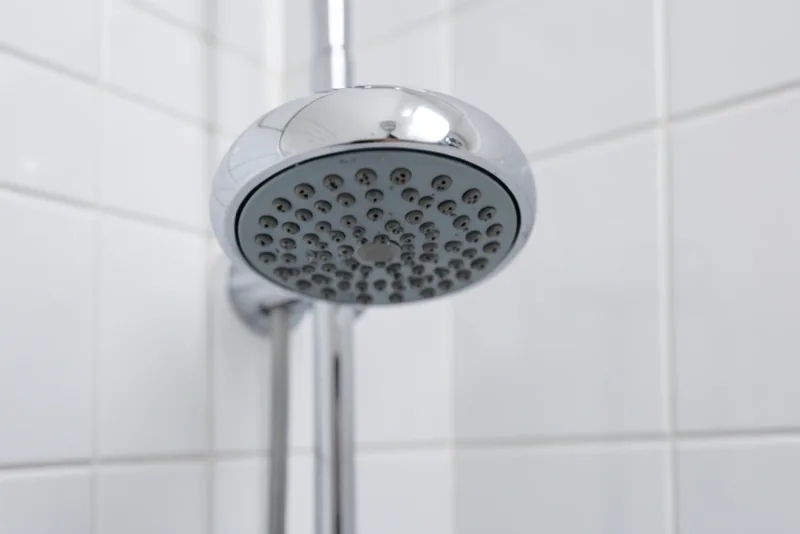
The cable run from the consumer unit to the bathroom is the biggest variable. A short, easy route is simple work. A long run through finished walls, floors or ceilings takes more time and needs more making good.
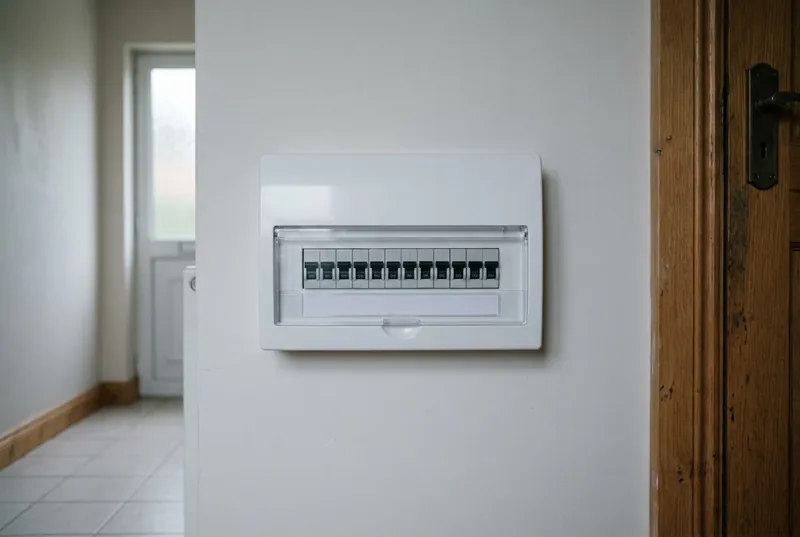
The new circuit needs a free, suitably protected way in the consumer unit. If the unit is full or outdated it may need work first, which is covered on the fuseboard upgrade page.
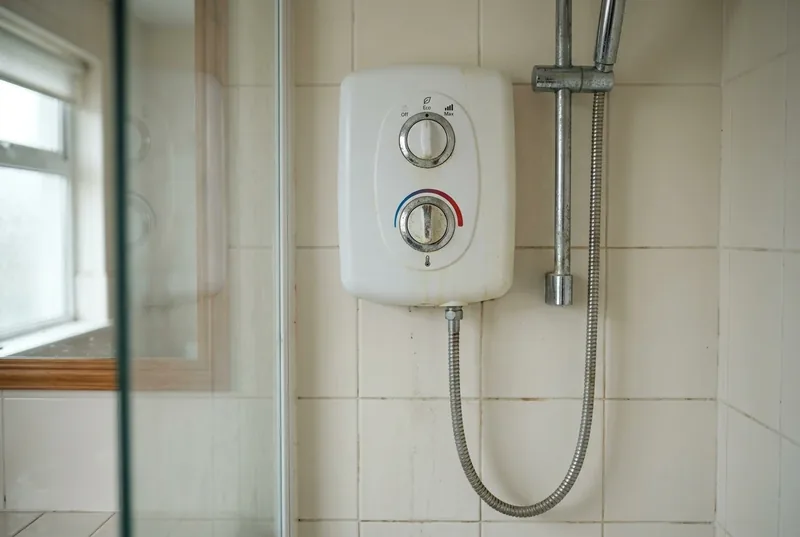
Swapping like for like on an existing circuit that is still fit for purpose is quicker than a new bathroom or en suite where nothing exists yet. An electrician checks the existing circuit before reusing any of it.
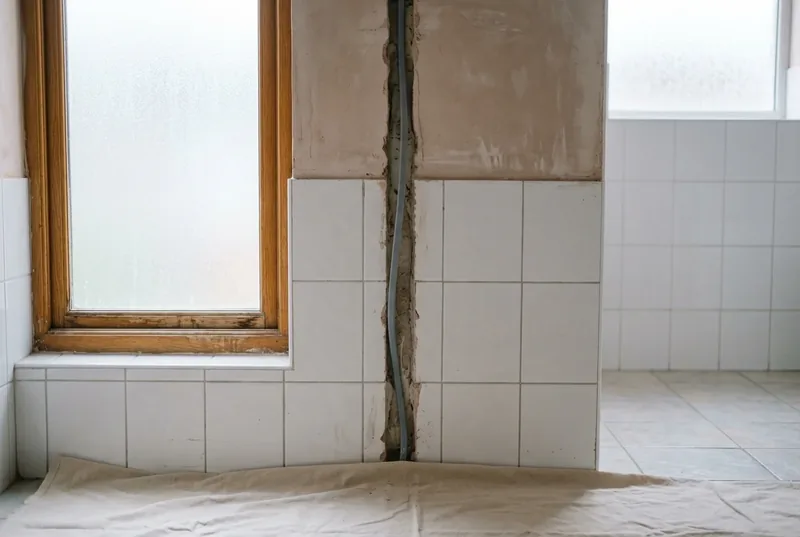
Tiled walls, solid floors and boxed-in ceilings all affect how cable can be routed and how much reinstatement is needed. Plastering and tiling are separate trades and are rarely part of an electrical quote.
Bathrooms combine water and electricity, which is why electric shower installation is restricted work. Only a registered electrician can carry it out, and you can check any electrician on the Safe Electric register before you hire them.
If a shower keeps tripping its protection, stop using it and call an electrician. Our guide to RCD tripping explains what a trip can mean.
On completion, your electrician issues a completion certificate confirming the work was tested and complies with IS 10101, the Irish Wiring Rules. The completion certificate page explains what it covers.
Keep the certificate with your property documents. Buyers and their solicitors often ask for it, and a shower fitted without one can slow a sale.
A plumber can make the water connection, but the electrical side is restricted work that must be done by a registered electrician. Some jobs involve both trades.
You need a registered electrician for the electrical connection, even for a swap. The water connection is plumbing work, so a plumber may also be involved.
There is no single price. The distance to the consumer unit, the condition of the consumer unit, whether you are replacing an old shower or starting fresh, and access and finishes all move a quote.
An electric shower heats its own water and needs a dedicated circuit. A power shower uses a pump to boost pressure from the hot and cold supply, so it still draws on stored hot water.
Electric shower installation should be done by a registered electrician who can issue a completion certificate. See safeelectric.ie for the current requirements, then find an electrician in your county.